
The right hobbies can bring real thrill to everyday life! Whether you love watersports, visiting your local shooting range, setting off on multi-day hikes, or skydiving, there are plenty of thrilling hobbies and sports that can satisfy your need for adventure. But seeking that adrenaline rush should always be accompanied by careful planning, training, and a focus on safety and comfort.
With the right precautions and the supervision of specialized instructors, you can start to explore new leisure activities without putting your safety at risk. In this guide, we’ll look at a few safety measures that allow you to make the most of your hobbies with increased safety.
Invest In Essential Safety Gear For Your Specific Hobby
Taking on a new hobby or sport can have many benefits for your mental and physical health. They allow you to learn new skills, boost self-awareness, and can support healthy socialization. However, high-risk hobbies or extreme sports come with some health and safety risks that you must take into account. So, before getting started with any new activity, be sure to speak to an expert and invest in the essential safety gear. This will depend on your hobby and may include helmets, pads, protective clothing, goggles, ear protection, or specialized footwear. The right gear can reduce the risk of injury and ensures you can enjoy your activity with confidence and peace of mind.
Protect Your Hearing Without Affecting Communications
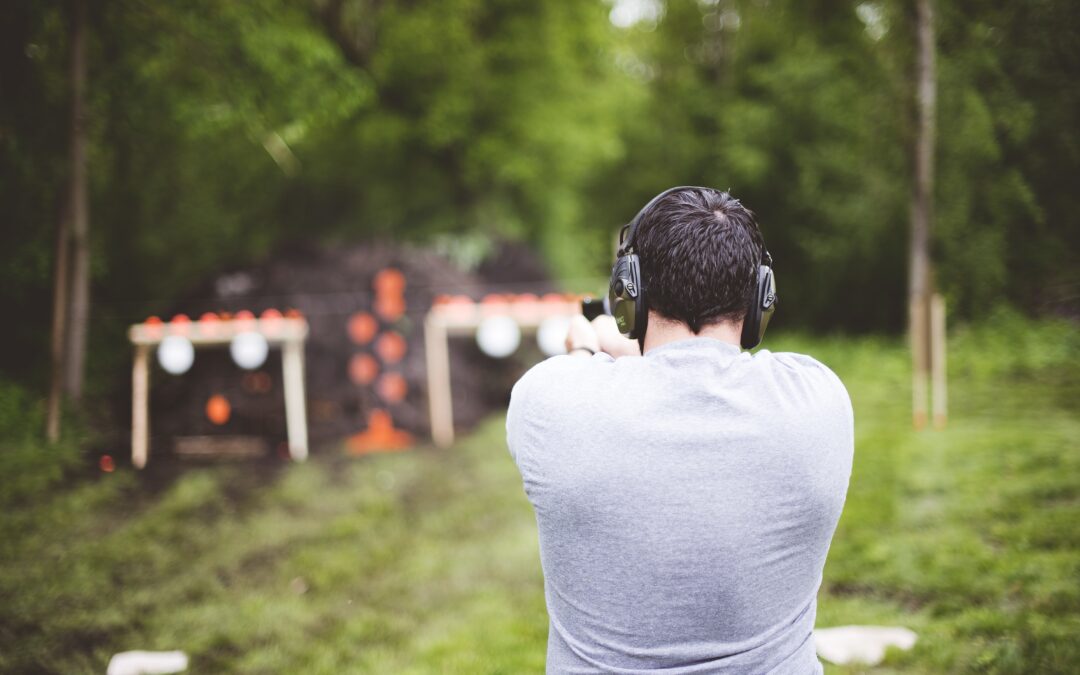
Next up, let’s talk about the importance of hearing protection. Being exposed to loud noises when enjoying your sports or hobbies can lead to noise-induced hearing loss, which can affect your overall health and even lead to cognitive decline and isolation. To prevent these complications, always speak to your instructor to understand how to protect your hearing, especially if you are looking to practice activities such as flying planes, shooting sports, motorcycling, woodworking, attending live concerts, or using power tools.
However, communication remains important to coordinate with team members, being aware of risks, and letting others know you are safe. So, combine your hearing protection with equipment such an Howard Leight COM-RAC AMP adapter to maintain a safe channel of communication with your companions.
Invest In Training And Never Go Alone
High-risk sports require precise training. Be sure to invest in the right training courses and get accredited by a specialized school or instructor. Even as your skills develop, consider never going for an adventure alone. Whether it’s hiking, trekking, scuba diving, or hunting, having someone with you can help reduce risks.
Know Your Surroundings And Stay Alert
One of the reasons behind the complications of injuries in extreme sports is the fact that these activities are often performed in remote locations, often far away from specialized medical services. If you are setting off on a surfing, overlanding, scuba diving, or flying expedition, be prepared for these situations. You can do so by investing in powerful communication and tracking tools, understanding your surroundings, having emergency contacts at hand, localising the nearest medical services, and always investing in comprehensive insurance.
Maintain And Inspect Your Equipment Regularly
Last but not least, be sure to assess your equipment regularly to catch issues early and replace malfunctioning parts. Proper maintenance and assessment can go a long way in helping you stay safe!